
Safe checkout
Secure payments
Fast dispatch
1–2 day handling
Free shipping
U.S. ground
Warranty & RMA
Support after delivery
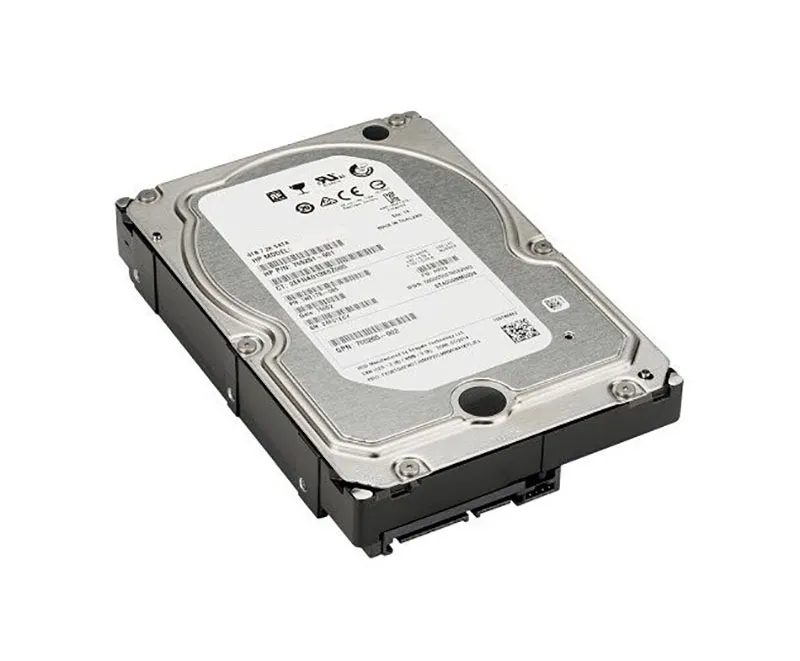
HP DS-RZ2ED-LS 18.2GB Wide Ultra2 SCSI 7200 3.5-inch Hard Drive
- Capacity: 18.2GB
- Interface: Wide Ultra2 SCSI (LVD)
- Speed: 7200 RPM
- Form Factor: 3.5-inch
- Drive Type: Internal Hard Drive
- Designed for servers and workstations utilizing SCSI interfaces
- Provides reliable storage for legacy systems
DS-RZ2ED-LS isn't on our shelf today — we source it to order. Request a quote and we'll confirm price and lead time within one business day.
Key specifications
See full specs ↓- Capacity
- 18.2GB
- Interface
- Wide Ultra2 SCSI
- Rotational Speed
- 7200 RPM
- Form Factor
- 3.5-inch
- Drive Type
- HDD
Product details
The HP DS-RZ2ED-LS is an 18.2GB Wide Ultra2 SCSI hard drive. It features a 7200 RPM rotational speed and a 3.5-inch form factor, designed for older enterprise server environments.
Technical Information
| Capacity | 18.2GB |
| Interface | Wide Ultra2 SCSI |
| Rotational Speed | 7200 RPM |
Additional Specifications
| Form Factor | 3.5-inch |
| Drive Type | HDD |
Description
The HP DS-RZ2ED-LS is an 18.2GB internal hard disk drive (HDD) that utilizes the Wide Ultra2 SCSI interface. This interface, often referred to as LVD (Low Voltage Differential), was a high-performance standard for enterprise storage in its time, offering improved signal integrity and higher data transfer rates compared to earlier SCSI generations. Operating at a rotational speed of 7200 RPM, this 3.5-inch drive provides a reasonable balance of performance and capacity for the era it was designed for. SCSI drives are known for their reliability and suitability for demanding, continuous-operation workloads found in servers and workstations. This particular drive is intended for systems that are equipped with Wide Ultra2 SCSI controllers. While SCSI technology has largely been superseded by SATA and SAS in modern systems, drives like the DS-RZ2ED-LS remain relevant for maintaining or upgrading older server infrastructure. Its 18.2GB capacity is modest by today's standards but was significant for enterprise applications requiring dependable storage in the late 1990s and early 2000s.
Condition: Refurbished
Free U.S. ground shipping
Typically 1–2 days handling, 3–7 days in transit.
Purchase orders accepted
Government, enterprise, data center and small business.
Buying 10+ units?
Get volume pricing and availability for DS-RZ2ED-LS.


