
Safe Checkout
Secure Payments
Fast Delivery
Order Today
Free Shipping
Across the US
Easy Returns
Hassle-Free
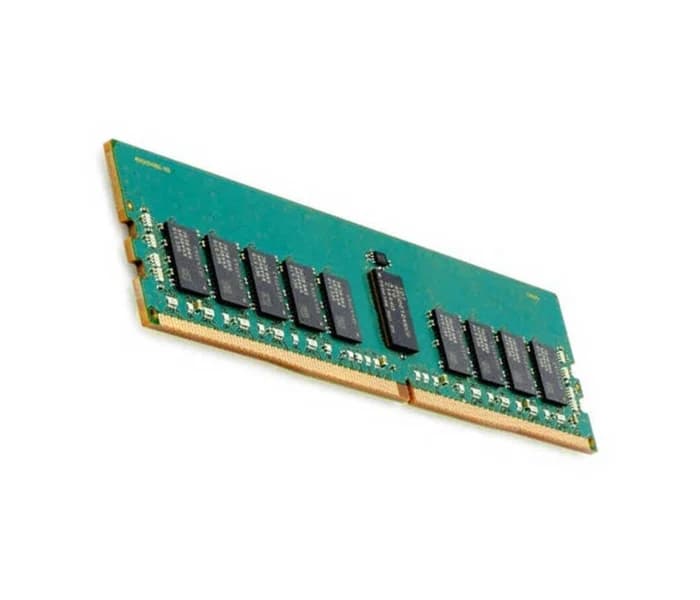
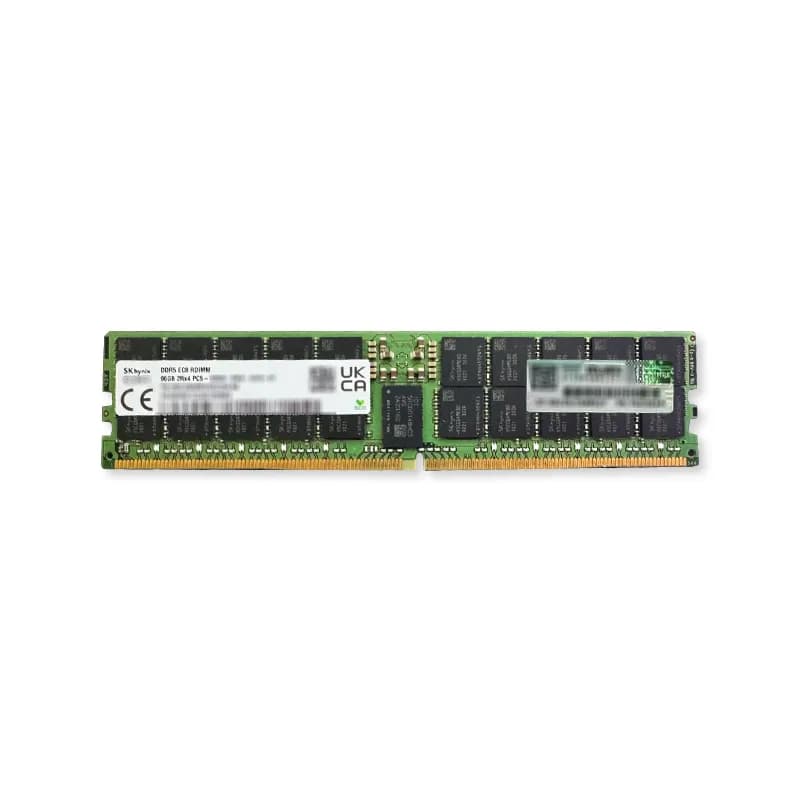
Hynix HMT31GR7CFR4A-H9T8-AE 8GB DDR3-1333MHz RDIMM 2Rx4 CL9 Memory
- Capacity: 8GB
- Memory Type: DDR3 SDRAM
- Form Factor: RDIMM
- Speed: 1333MHz (PC3-10600)
- CAS Latency: CL9
- Rank: 2Rx4 (Dual Rank x4)
- Voltage: 1.5V
- ECC: Registered ECC
Click on Inquire to get latest price
Free Ground Shipping
Within the contiguous US
Purchase orders accepted
For government, enterprise, data center, and small business customers.
Bulk Purchase Inquiry
Volume pricing and availability
Product Overview
The Hynix HMT31GR7CFR4A-H9T8-AE is an 8GB DDR3 Registered DIMM (RDIMM) memory module. It operates at 1333MHz with CL9 timings, designed for servers and workstations requiring reliable, high-capacity memory.
Technical Information
| Capacity | 8GB |
| Memory Type | DDR3 SDRAM |
| Form Factor | RDIMM |
| Speed | 1333MHz |
Additional Specifications
| CAS Latency | CL9 |
| Rank | 2Rx4 |
| Voltage | 1.5V |
| ECC | Registered ECC |
Product Description
This Hynix 8GB DDR3 RDIMM, model HMT31GR7CFR4A-H9T8-AE, is a high-performance memory module tailored for server and workstation environments. With a capacity of 8GB, it provides ample memory for running demanding applications, virtual machines, and complex data processing tasks. The module utilizes DDR3 technology, offering a balance of speed, power efficiency, and compatibility with a wide range of server platforms. The module operates at a frequency of 1333MHz, identified as PC3-10600, ensuring efficient data throughput. It features a CAS latency of CL9, which represents the number of clock cycles required to access data after a command is issued, contributing to overall system responsiveness. The 2Rx4 configuration indicates a dual-rank design with four data lines per rank, which can enhance performance by allowing the memory controller to access different ranks in parallel, thereby increasing bandwidth. As a Registered DIMM (RDIMM), this module includes an onboard register that buffers address and command signals. This buffering reduces the electrical load on the memory controller, enabling systems to support larger memory configurations and improving signal integrity for enhanced stability. The Registered ECC (Error-Correcting Code) functionality helps detect and correct single-bit errors, crucial for maintaining data integrity in mission-critical server applications.