Safe Checkout
Secure Payments
Fast Delivery
Order Today
Free Shipping
Across the US
Easy Returns
Hassle-Free
Dell 345-BGTF 480GB TLC SATA Mixed Use SFF 2.5-In SSD
- Capacity: 480GB
- Interface: SATA 6Gb/s
- Form Factor: 2.5-inch SFF (Small Form Factor)
- NAND Type: TLC (Triple-Level Cell)
- Workload: Mixed Use
- Drive Type: Solid State Drive (SSD)
Free U.S. Ground Shipping
Typically 1-2 handling + 3-7 transit days
Purchase orders accepted
For government, enterprise, data center, and small business customers.
Bulk Purchase Inquiry
Volume pricing and availability
Product Overview
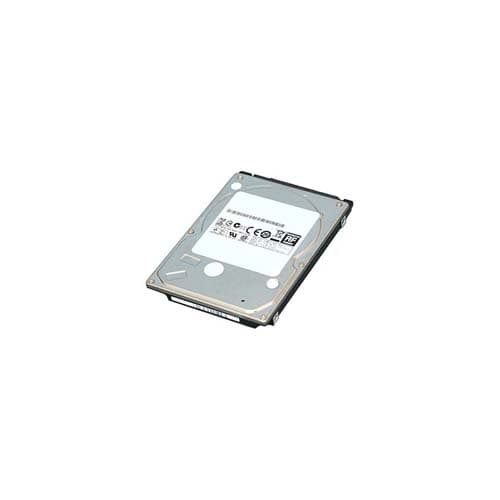
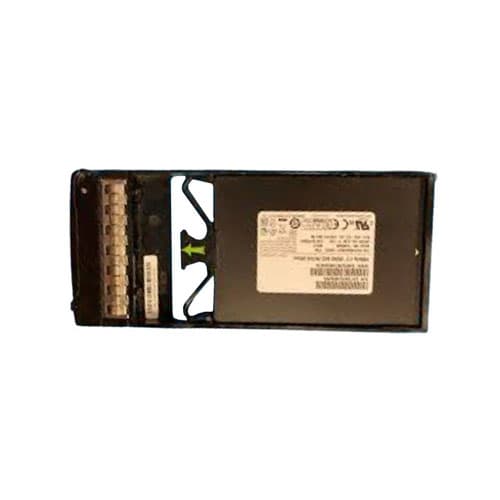
This Dell 345-BGTF is a 480GB 2.5-inch Solid State Drive (SSD) designed for mixed-use workloads. It features TLC NAND flash memory and connects via a 6Gb/s SATA interface, providing a versatile storage solution for servers and workstations. The drive balances capacity, performance, and endurance for demanding applications.
Technical Information
| Capacity | 480GB |
| Interface | SATA 6Gb/s |
| Form Factor | 2.5-inch SFF |
Additional Specifications
| NAND Type | TLC |
| Workload | Mixed Use |
| Drive Type | SSD |
Product Description
The Dell 345-BGTF SSD offers a 480GB capacity, suitable for a wide range of applications that require faster data access than traditional hard drives. Its SATA 6Gb/s interface ensures efficient data transfer rates, making it a capable component for servers, workstations, and storage arrays. The 2.5-inch Small Form Factor (SFF) allows for high-density deployments in compatible drive bays. Designed for mixed-use workloads, this drive is engineered to handle both read-intensive and write-intensive operations with a reasonable level of endurance. The use of TLC NAND flash memory provides a good balance between capacity, performance, and cost-effectiveness. While TLC is generally more suited for read-heavy tasks than MLC or SLC, advancements in firmware and controller technology allow for improved write endurance in mixed-use scenarios. This SSD is an excellent choice for environments that benefit from the speed and responsiveness of solid-state storage but do not require the extreme endurance of enterprise-grade, write-intensive SSDs. It can be used for operating systems, application storage, caching, and general data storage where performance is a key consideration.